
How CNC Machining Reduces Human Error in Manufacturing
What is CNC Machining?
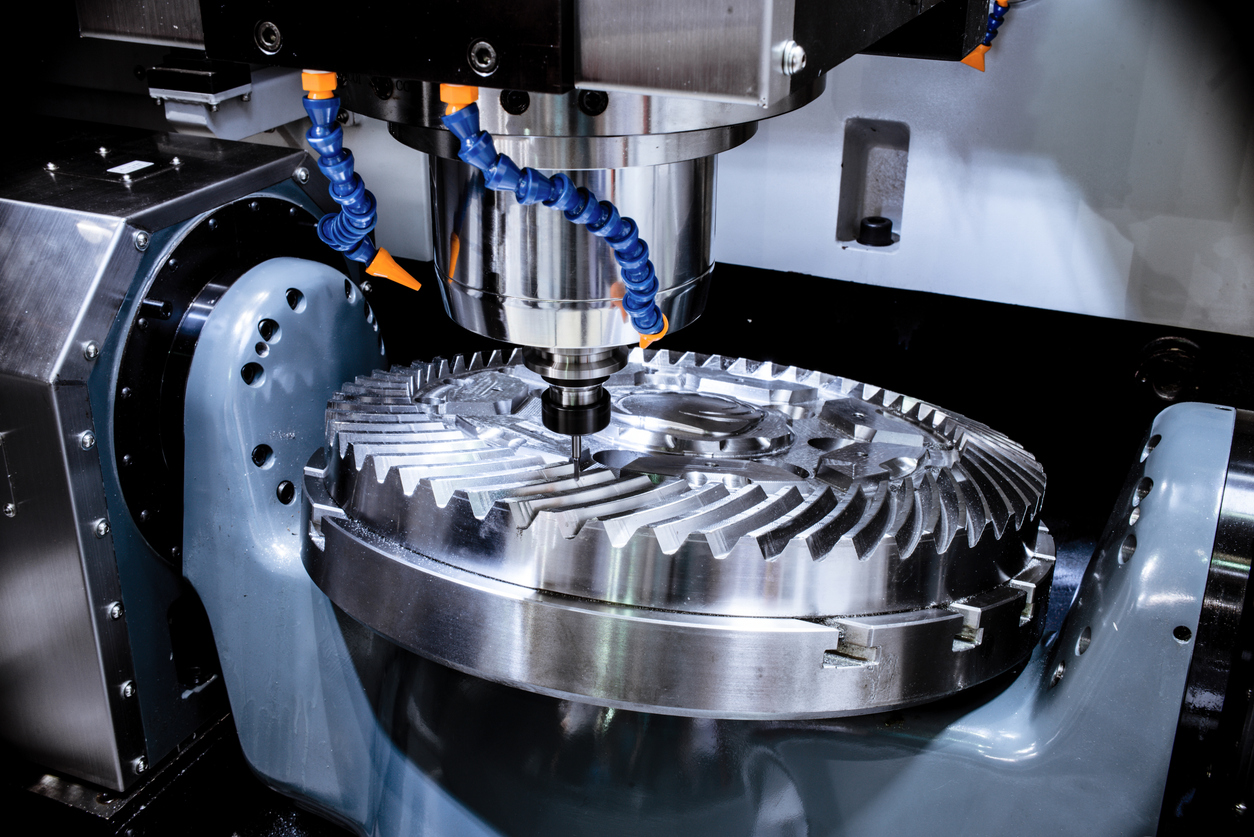
Computer Numerical Control (CNC) machining is a manufacturing process in which computer software controls cutting tools and machinery. CNC systems can perform highly detailed operations such as routing, drilling, milling, and engraving with exceptional precision. These machines operate using programmed coordinates and digital designs, ensuring that each product is manufactured according to exact specifications.
Common CNC applications include:
- Cabinet making
- Architectural joinery
- Furniture manufacturing
- Signage production
- Automotive parts
- Industrial fabrication
Because CNC systems follow automated instructions, they dramatically reduce variability during production.
Why Human Error Happens in Manual Manufacturing
Manual manufacturing processes depend heavily on operator skill, judgement, and physical measurements. Even experienced workers can make mistakes due to fatigue, distractions, inconsistent measurements, or incorrect calculations.
Common manual manufacturing errors include:
- Incorrect cutting angles
- Uneven dimensions
- Material wastage
- Misaligned drilling
- Measurement inconsistencies
- Tool handling mistakes
These issues can increase production costs, delay timelines, and affect final product quality.
According to research from the National Institute of Standards and Technology (NIST), manufacturing errors and rework can account for significant operational inefficiencies in production facilities.
How Does CNC Reduce Manufacturing Errors?
The biggest advantage of CNC machining is the automation-driven precision it delivers. Understanding how CNC reduce manufacturing errors starts with recognising how computer-controlled systems eliminate many variables associated with manual work.
CNC systems reduce errors by:
- Following exact digital measurements
- Automating repetitive tasks
- Maintaining consistent cutting speeds
- Reducing operator intervention
- Detecting programming inconsistencies
- Producing identical components repeatedly
Because machines follow precisely programmed instructions, the likelihood of dimensional variation is extremely low.
CNC Machining Consistency vs Manual Cutting
Manual cutting depends on the operator’s concentration and skill level. Even small inconsistencies in hand movement or measurements can affect the final product. CNC machining removes this uncertainty through automation.
| Feature | CNC Machining | Manual Cutting |
|---|---|---|
| Accuracy | Extremely high | Operator-dependent |
| Repeatability | Excellent | Inconsistent |
| Production Speed | Fast | Slower |
| Material Waste | Lower | Higher |
| Human Error Risk | Minimal | Higher |
| Complex Designs | Easily achievable | Difficult |
Main Differences
CNC Machining
- Uses programmed coordinates
- Delivers identical cuts repeatedly
- Reduces variation
- Suitable for high-volume production
Manual Cutting
- Requires continuous operator involvement
- Greater risk of measurement error
- More difficult to maintain consistency
- Slower for repetitive tasks
This comparison clearly shows why automated systems dominate modern manufacturing environments.
How CNC Repeat Accuracy Works in Production
Repeat accuracy is the machine’s ability to reproduce a component repeatedly without dimensional variation.
CNC systems achieve repeat accuracy through the following:
- Every operation follows precise software instructions.
- Advanced servo motors maintain exact positioning.
- Machines continuously maintain alignment and positioning accuracy.
- The cutting head follows identical movement patterns every cycle.
For industries such as cabinetry and joinery, repeat accuracy ensures that all components fit together perfectly during assembly.
CNC Quality Control Process
Quality control in CNC machining involves multiple automated verification stages.
Important Stages of CNC Quality Control
- CAD File Verification: Digital design files are checked before production begins.
- CAM Simulation: Software simulates cutting paths to identify potential collisions or mistakes.
- Automated Tool Calibration: Machine tools are calibrated for precision.
- Real-Time Monitoring: Sensors monitor spindle speed, temperature, and positioning.
- Final Product Inspection: Finished components are measured against digital specifications.
This streamlined quality control process significantly reduces production defects.
According to a Deloitte report, manufacturers adopting advanced automation technologies often experience improved operational accuracy and reduced waste.
Human Error Rates in Manual vs CNC Cutting
Human-operated systems are vulnerable to:
- Fatigue
- Distractions
- Misreading measurements
- Tool handling inconsistencies
- Incorrect calculations
CNC systems minimise these issues because machines operate according to pre-programmed instructions rather than manual judgement.
Manual Cutting Error Risks
- Measurement mistakes
- Uneven material handling
- Variable cutting pressure
- Inconsistent angles
CNC Cutting Advantages
- Uniform cutting depth
- Exact dimension replication
- Reduced operator dependency
- Automated precision control
This is particularly beneficial for high-volume manufacturing, where even small errors can result in significant financial losses.
CNC Machining Tolerances and Error Reduction
Tolerance refers to the allowable variation in dimensions during manufacturing.
CNC machines achieve extremely tight tolerances because:
- Computer controls regulate movement precisely
- Digital files eliminate manual interpretation
- Toolpaths remain consistent
- Calibration systems maintain alignment
Benefits of Tight CNC Tolerances
- Better component fitting
- Improved product durability
- Reduced assembly problems
- Less material wastage
- Higher customer satisfaction
Industries such as aerospace and medical manufacturing depend heavily on ultra-precise CNC tolerances.
How Automated Toolpath Prevents Cutting Mistakes
A toolpath is the digitally programmed route the cutting tool follows during machining.
Automated toolpaths help prevent errors by:
- Avoiding incorrect cutting directions
- Maintaining proper cutting depth
- Preventing material collisions
- Reducing overcutting
- Optimising movement efficiency
Advantages of Automated Toolpaths
- Every cut follows the exact programmed path.
- Efficient movement minimises unnecessary cuts.
- Optimised paths reduce machining time.
- Collision detection helps protect equipment and materials.
Because toolpaths are digitally simulated before production begins, manufacturers can identify potential issues early.
CNC Error Detection Systems
Modern CNC equipment includes advanced CNC error-detection systems that improve reliability and minimise production downtime.
These systems continuously monitor machine performance.
Common CNC Error Detection Features
- Sensor Monitoring: Tracks spindle load, temperature, and vibration.
- Tool Breakage Detection: Identifies damaged or worn tools.
- Collision Prevention: Prevents machine crashes during operation.
- Position Verification: Confirms correct axis movement.
- Software Alerts: Warns operators about programming inconsistencies.
These technologies help manufacturers maintain quality standards while reducing expensive production mistakes.
According to industry studies by Automation.com, predictive monitoring systems significantly improve manufacturing reliability and equipment performance.
CNC vs Manual Joinery Error Comparison
Manual joinery often relies on hand measurements and repeated setup adjustments. This can lead to:
- Uneven panel sizing
- Misaligned joints
- Inconsistent drilling positions
- Assembly complications
CNC joinery solutions solve these issues through automation.
| Joinery Factor | CNC Joinery | Manual Joinery |
|---|---|---|
| Precision | Very high | Moderate |
| Repeatability | Consistent | Variable |
| Speed | Faster | Slower |
| Waste Reduction | Efficient | More waste |
| Complex Shapes | Easy | Challenging |
| Labour Dependency | Lower | Higher |
For custom cabinetry and commercial fit-outs, CNC systems deliver far more reliable outcomes.
Benefits of CNC Automation in Manufacturing
- Improved Production Speed: Automated systems complete jobs faster than manual methods.
- Reduced Labour Costs: Less manual intervention lowers staffing requirements.
- Consistent Product Quality: Every item meets the same specifications.
- Better Material Utilisation: Precision cutting reduces waste.
- Enhanced Workplace Safety: Automation reduces operator exposure to dangerous machinery.
- Scalable Manufacturing: CNC systems support both small and large production runs efficiently.
These benefits make CNC technology an essential investment for modern manufacturers aiming to remain competitive.
Get Precise Results with Just Routing’s CNC Cutting
As manufacturing standards continue to evolve, CNC technology has become a critical solution for reducing costly production mistakes. From improving repeatability to enhancing quality assurance, understanding how CNCs reduce manufacturing errors helps businesses appreciate the long-term value of automation.
At Just Routing, you gain access to advanced CNC routing and machining solutions designed for precision, consistency, and production efficiency. Whether you require custom joinery components, detailed routing work, or large-scale manufacturing support, their experienced team delivers reliable outcomes with exceptional attention to detail.
By combining modern CNC systems with expert craftsmanship, they help businesses achieve superior accuracy while minimising production errors and material waste. Contact their team today to discuss personalised CNC machining solutions for your next project.
FAQs
What types of manufacturing mistakes does CNC machining eliminate compared to manual production?
How does a CAD file reduce measurement errors before cutting even begins?
Can CNC machining maintain the same accuracy across hundreds of identical parts in one run?
What happens when a CNC machine detects an error mid-cut?
How does operator involvement affect error rates in CNC production?
Does CNC machining reduce material waste caused by cutting mistakes?
How do I verify the accuracy of CNC-cut parts before they reach my assembly line?
Table of Contents
- What Is CNC Machining?
- Why Human Error Happens in Manual Manufacturing
- How Does CNC Reduce Manufacturing Errors?
- CNC Machining Consistency vs Manual Cutting
- How CNC Repeat Accuracy Works in Production
- CNC Quality Control Process
- Human Error Rates in Manual vs CNC Cutting
- CNC Machining Tolerances and Error Reduction
- CNC vs Manual Joinery Error Comparison
- Benefits of CNC Automation in Manufacturing
- Get Precise Results with Just Routing’s CNC Cutting
- FAQs
