
How CNC Machining Helps Reduce Material Waste Efficiently
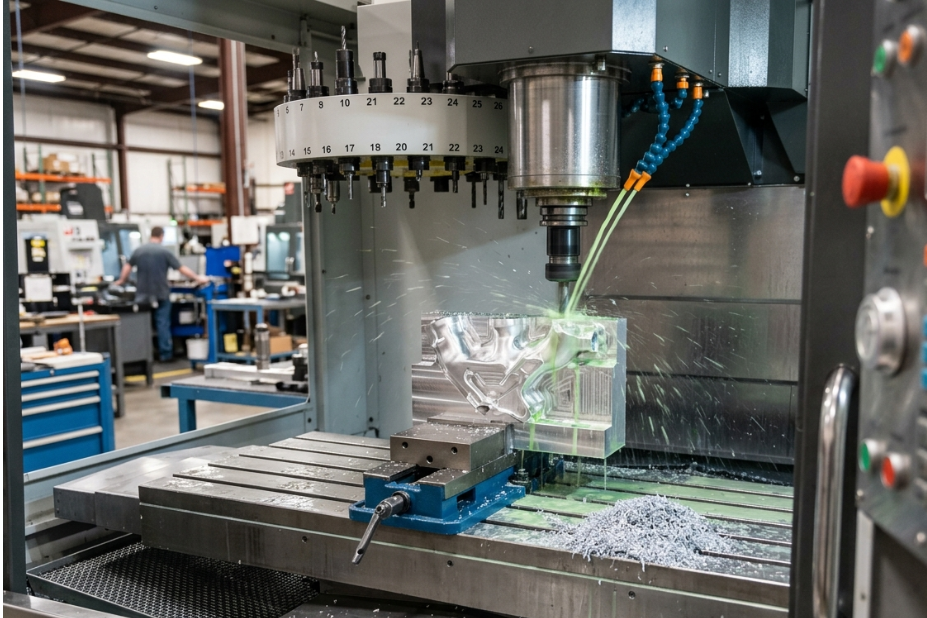
Material waste is one of the biggest challenges in woodworking, cabinet making, furniture manufacturing, and panel processing. Every unused offcut, incorrect measurement, or cutting error adds unnecessary costs to a project.
Modern CNC technology addresses these challenges by delivering highly accurate cuts and intelligent sheet management. Through advanced software and automation, CNC systems help businesses maximise material usage while maintaining consistent quality.
Whether producing custom cabinetry, furniture components, or commercial fit-outs, CNC machining enables manufacturers to achieve higher yields and significantly reduce waste.
What Is CNC Machining and Why Does Material Waste Matter?
This method uses computer-guided cutting equipment to manufacture parts with exceptional precision. CNC machines follow programmed toolpaths that minimise mistakes and optimise material use. Material waste matters because it directly affects:- Production costs
- Project profitability
- Environmental impact
- Resource consumption
- Disposal expenses
How Does CNC Machining Reduce Wood Waste?
Manufacturers often ask how CNC machining reduces wood waste and improves material efficiency. CNC machining reduces wood waste by eliminating many of the factors that lead to material loss in traditional cutting
Precision Cutting
CNC routers can cut with tolerances measured in fractions of a millimetre.
This precision reduces:
- Cutting errors
- Misaligned parts
- Incorrect dimensions
- Rework requirements
Automated Tool Paths
Software calculates the most efficient cutting sequence before machining begins.
Benefits include:
- Reduced redundant cuts
- Better sheet usage
- Less operator error
Consistent Accuracy
CNC machines produce identical components repeatedly, preventing waste caused by inconsistencies.
How CNC Nesting Software Reduces Sheet Waste
What Is CNC Nesting?
Nesting is the process of arranging multiple parts on a material sheet to maximise usable space. Modern CNC nesting software automatically positions components to achieve the highest possible sheet yield.
Benefits of CNC Nesting Software to Reduce Sheet Waste
Advanced nesting software can:
- Minimise gaps between parts
- Rotate components efficiently
- Utilise irregular spaces
- Reduce unused sheet areas
- Generate optimal cutting patterns
The Impact of CNC Cutting on Material Utilisation
Material utilisation rate refers to the percentage of a sheet that is converted into a usable product.
The formula is:
Material Utilisation Rate = (Used Material ÷ Total Material) × 100
Actual results vary based on:
- Part sizes
- Sheet dimensions
- Product complexity
- Material type
Higher utilisation means lower waste and better profitability.
Why CNC Delivers Better Accuracy
- Computer-controlled movements
- Precise positioning systems
- Automated depth control
- Digital measurement integration
- Consistent cutting speeds
CNC vs Traditional Cutting Waste Comparison
How Does CNC Compare with Traditional Cutting Methods?
Traditional cutting methods rely heavily on manual planning and operator experience. While skilled operators can achieve good results, manual processes often produce more waste.
Traditional Cutting Challenges
- Human error
- Inconsistent measurements
- Larger safety margins
- Limited layout optimisation
- Increased rework
CNC Cutting Advantages
- Automated optimisation
- Precise positioning
- Consistent quality
- Reduced scrap rates
- Better repeatability
This comparison highlights why CNC machining plays a major role in waste reduction strategies.
How Does CNC Optimise Panel Layouts?
Why Is Panel Layout Important?
Panel layout directly affects how much material becomes usable product. Poor layouts create excessive offcuts and wasted sheet space.
How CNC Optimises Panel Layouts
Modern software analyses:
- Part dimensions
- Grain direction
- Material defects
- Tool diameter
- Cut sequencing
The system then creates an efficient arrangement before cutting begins.
Advantages
- Maximum sheet coverage
- Reduced dead space
- Better workflow efficiency
- Lower material consumption
This optimisation is especially valuable for cabinetry and furniture manufacturing.
Effective Strategies for Reusing CNC Offcuts
The goal is to minimise waste and maximise reuse.
CNC Offcut Reuse Strategies
Digital Offcut Tracking
Many manufacturers store leftover material dimensions in software databases.
Benefits include:
- Easy retrieval
- Better inventory management
- Reduced material purchasing
Future Component Production
Smaller parts can often be cut from stored remnants.
Examples:
- Shelves
- Drawer components
- Support brackets
- Furniture panels
Prototype Development
Offcuts are ideal for:
- Testing
- Sampling
- Product development
Secondary Manufacturing
Reusable material may be incorporated into:
- Display units
- Shop fittings
- Internal cabinet components
These strategies further improve sustainability outcomes.
How Does CNC Support Sustainable Material Use?
Sustainability is becoming increasingly important across Australian manufacturing industries.
How Does Sustainable Material Use with CNC Cutting Work?
CNC technology supports sustainability through:
Reduced Raw Material Consumption
Better utilisation means fewer sheets are required.
Lower Landfill Waste
Fewer unusable offcuts end up as waste.
Reduced Energy Usage
Less material extraction and transportation are needed when waste is minimised.
Improved Production Planning
Accurate forecasting helps prevent over-ordering. Together, these benefits contribute to more environmentally responsible manufacturing.
Industry Fact
According to the Australian Government’s National Waste Report, the construction and manufacturing sectors generate substantial volumes of material waste annually, underscoring the importance of waste-reduction technologies.
How Does CNC Waste Reduction Benefit Cabinet Making?
Cabinet making relies heavily on sheet materials such as:
- MDF
- Melamine board
- Plywood
- Particleboard
- Laminated panels
Waste reduction can significantly impact profitability.
CNC Waste Reduction in Cabinet Making
Better Sheet Yield
Nested layouts maximise board usage.
Consistent Components
Accurate machining reduces rejected parts.
Faster Production
Automated processes reduce labour requirements.
Improved Project Costing
Material estimates become more predictable.
What Cost Savings Come from CNC Waste Reduction?
Material costs often represent a significant portion of manufacturing expenses.
Areas Where Savings Occur
- Higher utilisation means fewer sheets are needed.
- Less waste results in lower removal and landfill expenses.
- Accurate cutting reduces costly mistakes.
- Automation decreases manual handling and planning time.
Industry Fact
According to research by the U.S. Department of Energy, manufacturing waste reduction initiatives often generate substantial operational savings while improving resource efficiency.
How Can Businesses Maximise CNC Waste Reduction Results?
To achieve the best outcomes, businesses should combine advanced equipment with effective processes.Best Practices
- Invest in Quality Nesting Software
- Maintain Accurate Material Databases
- Track Material Usage
- Reuse Offcuts Strategically
- Regularly Review Production Data
Choose Just Routing for Precise CNC Machining
CNC machining plays a critical role in reducing material waste through precise cutting, intelligent nesting software, and optimised panel layouts. By improving material utilisation rates, minimising scrap, and supporting offcut reuse strategies, CNC technology helps manufacturers achieve greater efficiency and sustainability. At Just Routing, we understand how important material efficiency is for modern manufacturing. Our CNC routing services help businesses across Brisbane, Gold Coast, and Sunshine Coast maximise sheet yield, reduce production waste, and improve overall project profitability while maintaining exceptional machining accuracy and quality.FAQs
What material utilisation rate should you expect from CNC cutting compared to manual cutting?
CNC cutting typically achieves material utilisation rates of 85–95%, while manual cutting often ranges from 65–80%. Actual results depend on part shapes, sheet sizes, and the effectiveness of nesting software in optimising the layout.
How does nesting software decide where to place parts on a sheet?
Nesting software automatically arranges parts to maximise sheet usage by analysing dimensions, shapes, grain direction, tool clearances, and cutting priorities. The goal is to minimise unused space and reduce material waste.
Are CNC offcuts from panel cutting worth keeping, or are they scrap?
Many CNC offcuts are worth keeping if they are large enough for future components, prototypes, or smaller projects. Digital offcut tracking helps businesses reuse leftover material instead of treating it as waste
Does CNC cutting actually reduce wood waste compared to a panel saw?
Yes, CNC cutting generally reduces wood waste compared to a panel saw because automated nesting and precise toolpaths optimise sheet usage. This leads to fewer cutting errors, less scrap, and improved material efficiency.
What types of sheet materials benefit most from CNC waste reduction techniques?
Materials such as MDF, plywood, particleboard, melamine panels, and laminated boards benefit greatly from CNC waste reduction techniques. Optimised nesting helps maximise sheet yield and lower material costs across production runs.
How do CNC shops track whether their waste reduction is actually improving over time?
CNC shops track utilisation rates, sheet yield percentages, scrap volumes, and material costs over time. Comparing these metrics across projects helps identify efficiency improvements and measure ongoing waste reduction performance.
Is CNC machining a sustainable choice for businesses trying to reduce material waste?
Yes, CNC machining is a sustainable option because it improves material utilisation, reduces scrap, supports offcut reuse, and lowers raw material consumption. These efficiencies help businesses minimise waste while improving operational performance.
Table of Contents
- Introduction
- What Is CNC Machining and Why Does Material Waste Matter?
- How Does CNC Machining Reduce Wood Waste?
- How CNC Nesting Software Reduces Sheet Waste
- The Impact of CNC Cutting on Material Utilisation
- CNC vs Traditional Cutting Waste Comparison
- How Does CNC Optimise Panel Layouts?
- Effective Strategies for Reusing CNC Offcuts
- How Does CNC Support Sustainable Material Use?
- How Does CNC Waste Reduction Benefit Cabinet Making?
- What Cost Savings Come from CNC Waste Reduction?
- How Can Businesses Maximise CNC Waste Reduction Results?
- Choose Just Routing for Precise CNC Machining
- FAQs
