
How Builders Use CNC Cutting for Faster Project Delivery
🎧 Prefer to listen instead of read?
Hit play below to hear the audio version of this article.
Construction timelines are increasingly shaped by how efficiently components can be prepared before they reach the job site. CNC cutting allows builders to move detailed cutting, drilling, routing and component preparation into a controlled workshop environment, helping reduce repetitive site work and improve consistency.
From CNC-pre-cut components for building projects to flatpack cabinetry, stair backing boards, and custom templates, digital fabrication can simplify installation and reduce rework. For builders working to tight programmes, the real advantage is not simply faster cutting, it is better preparation, repeatability and a smoother path from drawings to installation.
Why CNC Cutting is Important to Modern Builders
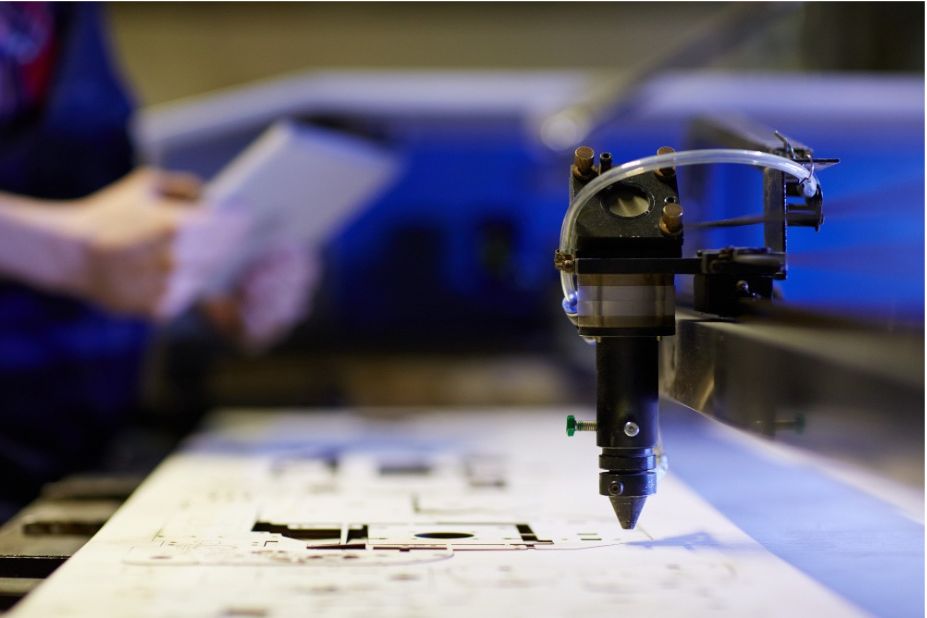
CNC, or Computer Numerical Control, cutting uses computer-guided machinery to manufacture components according to programmed dimensions and designs. Instead of measuring and manually cutting every panel or component on site, builders can have parts manufactured to specified dimensions before installation begins.
This approach is particularly useful for repetitive components, detailed shapes and projects where consistency is essential. CNC technology can be used for timber, MDF, plywood, engineered boards and other compatible materials, depending on the machinery and application.
How CNC Cutting Reduces Project Lead Times
CNC cutting lead time for builders depends on several factors, including component quantity, material availability, design complexity, machining requirements and the quality of files supplied.
Faster Repetitive Production
With CNC production, an approved design can be reproduced across multiple components. This can be especially valuable for:
- Cabinet components
- Wall and decorative panels
- Joinery parts
- Stair components
- Templates and jigs
- Shelving
- Door panels
- Backing boards
- Fitout components
- Custom-shaped panels
Once components arrive organised and ready for the next stage, installers can focus more of their time on positioning, fixing, assembly and finishing.
How CNC Cutting Reduces On-Site Labour
This starts with identifying work that does not necessarily have to occur at the construction site. If a component can be accurately designed and manufactured in advance, builders may be able to shift activities such as detailed cutting, drilling, and profiling to an off-site CNC facility.
- Less Manual Cutting on the Job Site
Traditional site fabrication may require tradespeople to unload full sheets, measure components, mark them, set up cutting equipment, make cuts and check the finished dimensions.
- Reducing Exposure to Repetitive Manual Tasks
Safe Work Australia states that construction activities commonly involve hazardous manual tasks, including repetitive movement, sustained force, awkward postures, lifting, pushing and pulling. These activities can contribute to musculoskeletal disorders.
The newly released 2026 Australian Worker Exposure Survey also found that 68.2% of construction workers surveyed were exposed to multiple physical or chemical hazards, the highest proportion among the industries highlighted in its published findings.
CNC Pre-Cut Components for Building Projects
CNC pre-cut components for building projects give builders another way to organise work before installation teams arrive. Parts can be produced according to approved dimensions and, where offered, prepared or organised for assembly.
What Can Be Pre-Cut?
Depending on material, design and CNC capability, common examples include:
- Cabinet and joinery panels
- Shelving components
- Decorative wall panels
- Door components
- Templates
- Stair backing boards
- Fitout panels
- Furniture components
- Custom profiles
CNC Flatpack Components for Builders
CNC flatpack components for builders can be particularly useful where quick assembly is a priority. Rather than delivering raw sheets that still need substantial fabrication, flatpack production provides accurately prepared components that can move more directly into assembly and installation.
Flatpack CNC production can support:
- Faster assembly
- Repeatable component dimensions
- Easier transportation of unassembled parts
- More organised installation
- Reduced cutting requirements on site
- Efficient production of repeated components
Clearly identified parts can help installation crews determine where components belong without having to sort through similar pieces.
CNC Precision Cutting for Tight Construction Tolerances
Small dimensional variations can become significant when multiple building components must align. CNC precision cutting for tight construction tolerances helps manufacture repeatable parts according to an approved digital design. This is useful where panels, openings, joints or repeated components need consistent dimensions.
- Repeatability Matters
Computer-controlled machining allows the same programmed dimensions to be repeated from one component to the next.
- Precision Still Starts with Accurate Information
CNC equipment follows the information supplied to it. That means builders should verify dimensions and design details before production. Site conditions can also differ from drawings, particularly during renovations.
- Where Builders Can Use CNC Cutting
Its usefulness extends across residential construction, commercial fitouts, joinery and specialised building applications.
- Template Cutting Services for Builders in Australia
Templates may be useful for marking positions, repeating unusual profiles, guiding other fabrication processes or reproducing shapes across several areas of a project. A digitally produced template can be especially valuable when consistency matters across multiple installations.
- CNC Cut Backing Boards for Stairs
Stair-related components can involve angles, repeated profiles and project-specific measurements. CNC routing allows suitable board components to be manufactured according to supplied dimensions rather than being individually shaped on-site.
Accurate project measurements remain crucial because existing walls, stair structures and renovation environments may not always be perfectly square.
Ordering CNC Cut Parts for Construction Projects
Efficient ordering of CNC-cut parts for construction projects starts before a machine begins cutting. Providing complete, accurate information helps CNC suppliers assess the work and plan production more effectively. Before requesting CNC work, confirm:
- Final dimensions
- Component quantities
- Material type and thickness
- Required profiles or cut-outs
- Drilling or machining requirements
- Edge or finishing requirements, where applicable
- Relevant drawings or digital files
- Required project dates
- Delivery or collection arrangements
- Any assembly or identification requirements
Confirm Drawings Before Production
Late design changes can undermine the time savings created by digital manufacturing. Where possible, complete site measurements and obtain necessary approvals before placing a production order.
There is no universal CNC cutting lead time for builders. Turnaround can change with workload, material availability, quantity and machining complexity.
Builders should therefore discuss deadlines with their CNC provider early rather than assuming components can be produced immediately.
Build Faster with Precision CNC Support
At Just Routing, we provide CNC machining, CNC routing, cut-to-size panels, flatpack and assembly solutions, custom door routing and precision cutting. Our workflow incorporates CAD planning, CNC production, quality checking and delivery, backed by more than 20 years of industry experience.
Whether your next project requires builder CNC cutting services in Queensland, pre-cut panels, flatpack components, custom templates or precision-machined parts, we can help prepare components to your specifications. We support projects across Brisbane, the Gold Coast, and the Sunshine Coast, helping builders turn digital designs into accurately manufactured components, ready for the next stage of construction.
Contact us to discuss your drawings, quantities, and project requirements, and to request a tailored CNC cutting solution.
FAQs
How does CNC cutting reduce on-site labour for builders?
CNC cutting moves suitable for measuring, profiling, drilling and component cutting into an off-site production environment. Components can then arrive prepared for assembly or installation, reducing the amount of on-site manual fabrication required.
What CNC pre-cut components can be used in building projects?
Depending on project requirements and material suitability, CNC cutting can produce cabinetry panels, shelving, doors, decorative panels, templates, stair components, backing boards and custom fitout components.
How long is the CNC cutting lead time for builders?
There is no fixed lead time for every project. Turnaround depends on factors such as quantities, material availability, design complexity, machining requirements and current production capacity. Builders should confirm timing with their supplier before scheduling installation.
Can CNC cutting help with tight construction tolerances?
Yes. CNC machinery follows programmed dimensions, making it well suited to producing repeatable components where consistent sizing is important. Final accuracy also depends on correct measurements, drawings, materials and machining setup.
Can CNC cutting help speed up commercial fitouts?
It can. Preparing suitable panels and components off site can reduce site cutting and repetitive fabrication, allowing installation teams to focus more of their available programme on assembly, fitting and finishing.
Table of Contents
- How Builders Use CNC Cutting for Faster Project Delivery
- Why CNC Cutting is Important to Modern Builders
- How CNC Cutting Reduces Project Lead Times
- How CNC Cutting Reduces On-Site Labour
- CNC Pre-Cut Components for Building Projects
- CNC Precision Cutting for Tight Construction Tolerances
- Ordering CNC Cut Parts for Construction Projects
- Build Faster with Precision CNC Support
- FAQs