
How CNC Technology Delivers High Precision Cutting
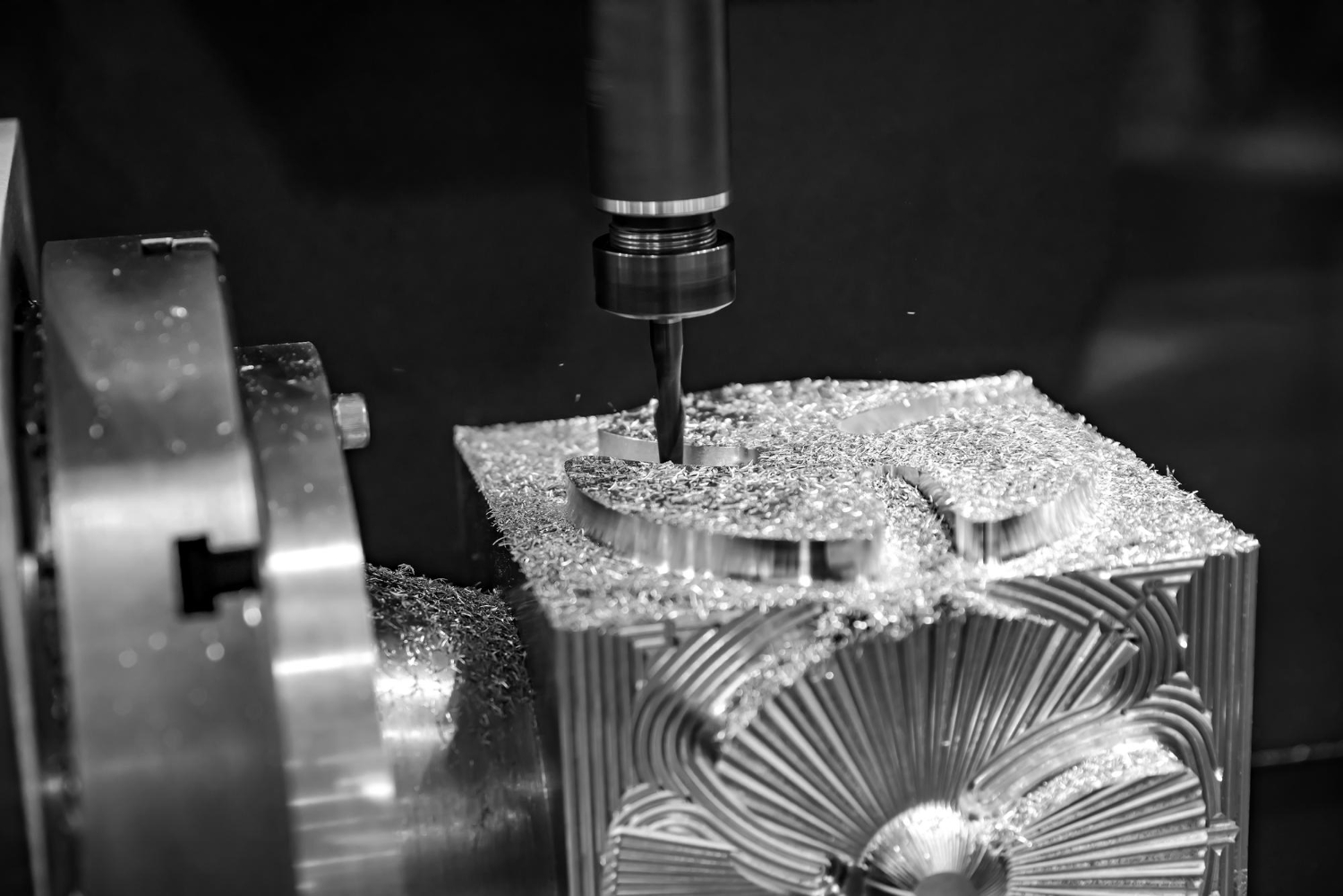
One of the most common questions manufacturers ask is “What precision does CNC cutting achieve?” The answer depends on machine quality, tooling, and calibration, but advanced CNC systems can consistently achieve extremely fine tolerances measured in fractions of a millimetre. This level of precision is especially valuable for joinery, furniture making, and custom panel fabrication, where every cut must align perfectly.
What Is CNC Precision Cutting?
CNC (Computer Numerical Control) cutting is a manufacturing process where computer-programmed machines guide cutting tools with extreme accuracy. These systems automate routing, drilling, carving, and shaping using digital design files.
Unlike manual cutting methods, CNC systems eliminate inconsistencies caused by human error. The machine follows exact programmed coordinates, ensuring every component matches the original design.
Benefits of CNC Precision Cutting
- Consistent accuracy across multiple parts
- Reduced material waste
- Faster production speeds
- Improved edge quality
- Better repeatability
- Minimal operator error
- Complex design capability
Businesses involved in cabinetry, commercial fit-outs, and furniture manufacturing depend heavily on high-precision CNC cutting services to achieve professional-quality results.
How Does CNC Improve Cutting Accuracy?
CNC machines improve cutting precision through automation, advanced software, and high-performance mechanical systems.Digital Design Integration
CNC cutting begins with CAD (Computer-Aided Design) software. The design file contains exact measurements and coordinates, removing guesswork from the process.Automated Tool Movement
The machine follows programmed toolpaths precisely, ensuring every movement meets the required specification.Repeatable Production
Once programmed, CNC systems can reproduce the same part hundreds or thousands of times without deviation.Reduced Human Error
Manual cutting relies heavily on operator skill, while CNC automation standardises the entire process.Real-Time Machine Calibration
Modern CNC systems constantly monitor positioning and movement accuracy.According to a report by the International Federation of Robotics, manufacturing automation significantly improves production consistency and reduces error rates in industrial processes.
CNC Cutting Tolerances in Millimetres
Tolerance refers to the allowable variation from the intended measurement. CNC systems are designed to maintain exceptionally tight tolerances.
| CNC Application | Typical Tolerance |
|---|---|
| Standard woodworking | ±0.5 mm |
| Precision cabinetry | ±0.2 mm |
| Industrial machining | ±0.05 mm |
| Advanced aerospace machining | ±0.01 mm |
These tolerances allow manufacturers to create highly accurate components with minimal fitting adjustments.
Factors Affecting CNC Tolerances
- Machine calibration
- Tool sharpness
- Material stability
- Feed speed
- Spindle performance
- Environmental temperature
When properly maintained, CNC routers consistently deliver reliable precision even in high-volume production environments.
CNC vs Hand Cutting Accuracy Comparison
Traditional hand cutting methods depend entirely on operator skill and physical control. While experienced craftsmen can produce excellent work, manual methods often struggle with repeatability and consistency.
| Feature | CNC Machining | Hand Cutting |
|---|---|---|
| Precision | Extremely high | Operator-dependent |
| Repeatability | Excellent | Inconsistent |
| Production Speed | Fast | Slower |
| Material Waste | Minimal | Higher |
| Complex designs | Easy | Difficult |
| Scalability | High | Limited |
Why CNC Delivers Better Accuracy
- Computer-controlled movements
- Precise positioning systems
- Automated depth control
- Digital measurement integration
- Consistent cutting speeds
How Do Servo Motors Improve CNC Precision?
Servo motors play a critical role in CNC machine accuracy. These motors control movement with extremely fine positional feedback.
Functions of Servo Motors
- Control machine axis movement
- Maintain accurate positioning
- Adjust speed dynamically
- Provide real-time correction
Why Servo Motors are Crucial
Servo systems continuously monitor their position and instantly correct deviations. This allows CNC machines to maintain exact toolpaths throughout the cutting process.
Benefits of Servo Motors in CNC Systems
- Smoother movement
- Higher speed accuracy
- Better positional control
- Reduced vibration
- Improved repeatability
CNC Precision Cutting for Wood Panels
Wood panel processing requires exceptional consistency, especially in cabinetry and commercial interiors.
Common Materials Processed
- MDF
- Plywood
- Particleboard
- Melamine panels
- Veneered boards
- Solid timber sheets
Advantages of CNC Wood Panel Cutting
- Each panel is cut precisely to specification.
- Sharp tooling and controlled movement minimise chipping.
- Automated nesting maximises efficiency.
- Optimised layouts improve material utilisation.
Businesses requiring CNC precision cutting for wood panels benefit from faster turnaround times and highly consistent production quality.
CNC Cutting Accuracy for Furniture Making
Furniture manufacturing demands precise alignment and seamless component fitting.
Small measurement inconsistencies can create:
- Misaligned joints
- Uneven surfaces
- Poor assembly fit
- Structural weakness
- Visible gaps
Examples of CNC Furniture Applications
- Dining tables
- Custom cabinetry
- Entertainment units
- Commercial office furniture
- Retail displays
According to Grand View Research, the global CNC machine market continues to expand due to increased demand for automated precision manufacturing.
What Causes CNC Cutting Errors
- Tool Wear: Dull cutting tools reduce edge quality and dimensional accuracy.
- Machine Calibration Issues: Improper alignment affects positioning accuracy.
- Material Movement: Poorly secured materials may shift during cutting.
- Incorrect Programming: Errors in CAD or CAM files can create inaccurate toolpaths.
- Thermal Expansion: Temperature changes may slightly alter machine dimensions.
- Improper Feed Speeds: Incorrect cutting speeds can cause vibration or poor finishes.
How CNC Errors Are Prevented
- Regular machine maintenance
- Routine calibration
- Tool inspection and replacement
- Proper material clamping
- Quality control checks
- Accurate CAD programming
CNC Precision Cutting for Tight Joinery
Tight joinery is essential in high-end cabinetry, architectural fit-outs, and premium furniture manufacturing.Why CNC Technology Excels in Joinery
- Exact Fit Accuracy
- Reduced Manual Labour
- Improved Structural Integrity
- Consistent Repetition
- Improved Structural Integrity
Experience Precision Cutting with Just Routing’s CNC Cutting
FAQs
Is CNC cutting suitable for all types of wood panels and board materials?
How does material thickness affect cutting precision in CNC routing?
What file formats do I need to provide for a CNC cutting order?
How do I know if my design requires CNC cutting or standard panel sizing?
What tolerance should I specify for cabinet joinery and flat pack components?
Does CNC cutting leave a finish-ready edge, or does the panel need post-processing?
How do repeated CNC cuts stay consistent across a large production batch?
CNC machines follow the same programmed toolpaths for every panel, ensuring highly repeatable results. Automated calibration and digital controls help maintain consistent dimensions and cutting accuracy throughout large production runs.
Table of Contents
- Introduction
- What Is CNC Precision Cutting?
- How Does CNC Improve Cutting Accuracy?
- CNC Cutting Tolerances in Millimetres
- CNC vs Hand Cutting Accuracy Comparison
- How Do Servo Motors Improve CNC Precision?
- CNC Precision Cutting for Wood Panels
- CNC Cutting Accuracy for Furniture Making
- What Causes CNC Cutting Errors
- How CNC Errors Are Prevented
- CNC Precision Cutting for Tight Joinery
- Experience Precision Cutting with Just Routing’s CNC Cutting
- FAQs
